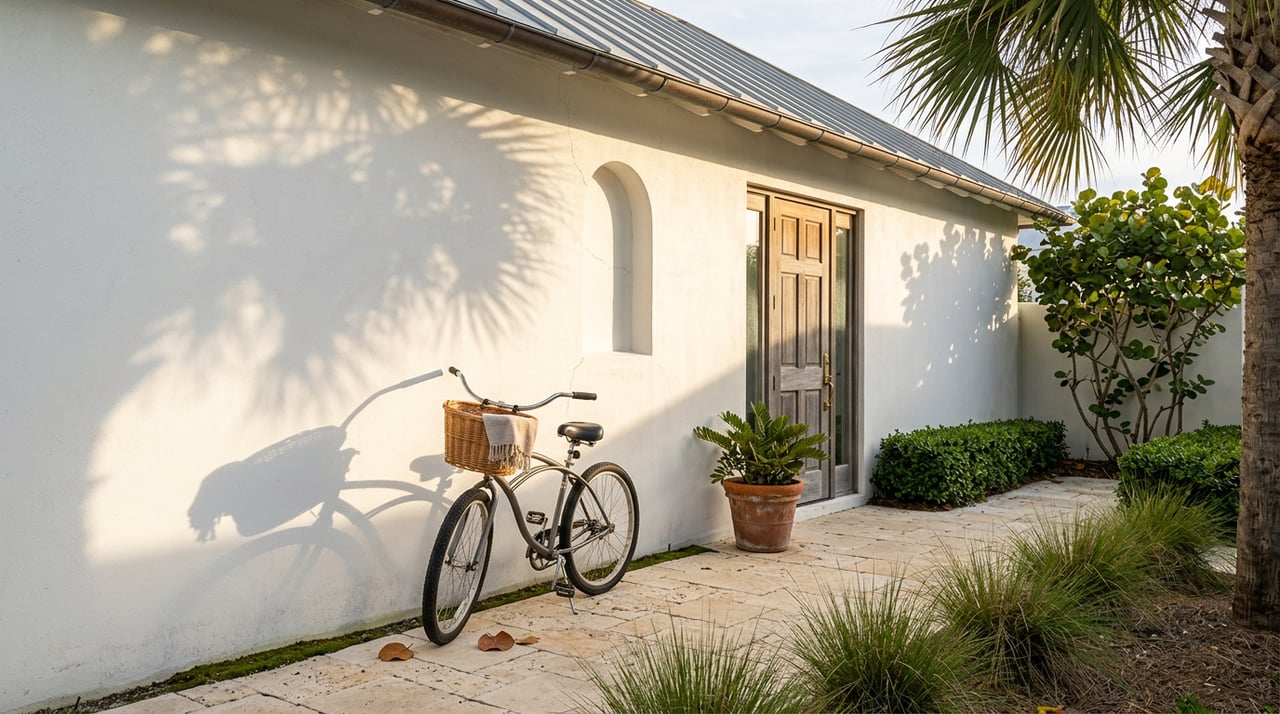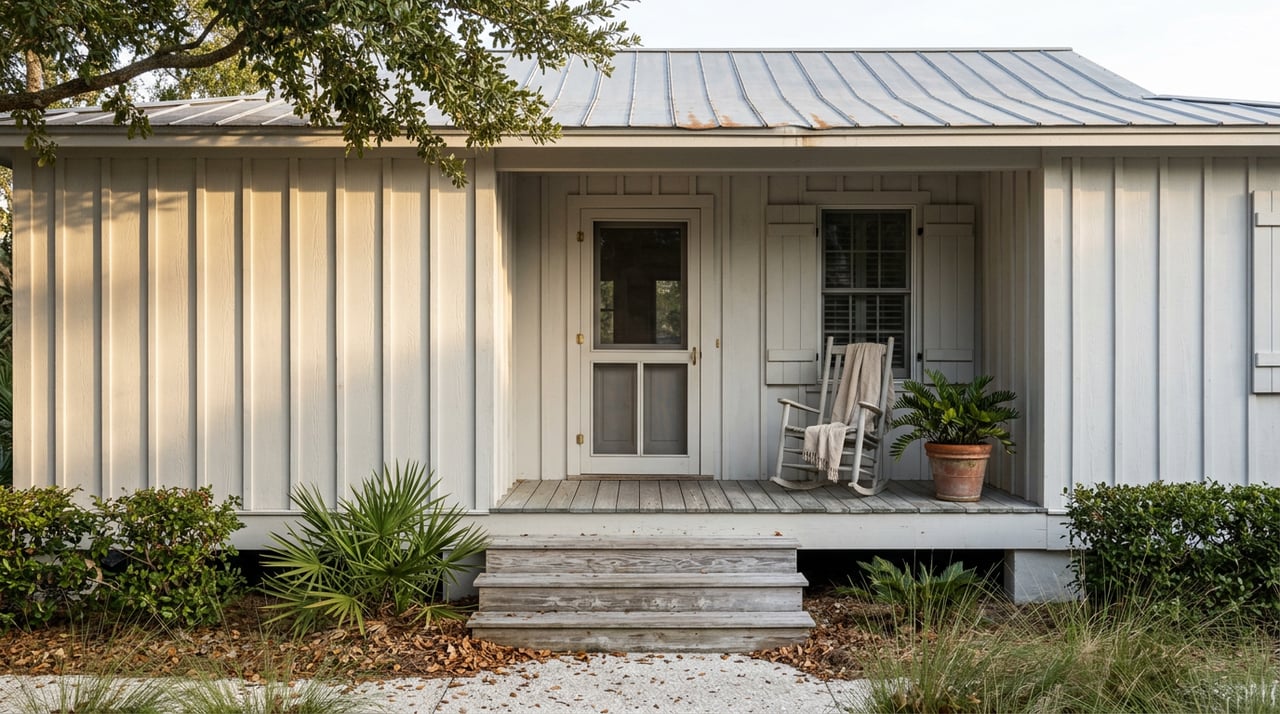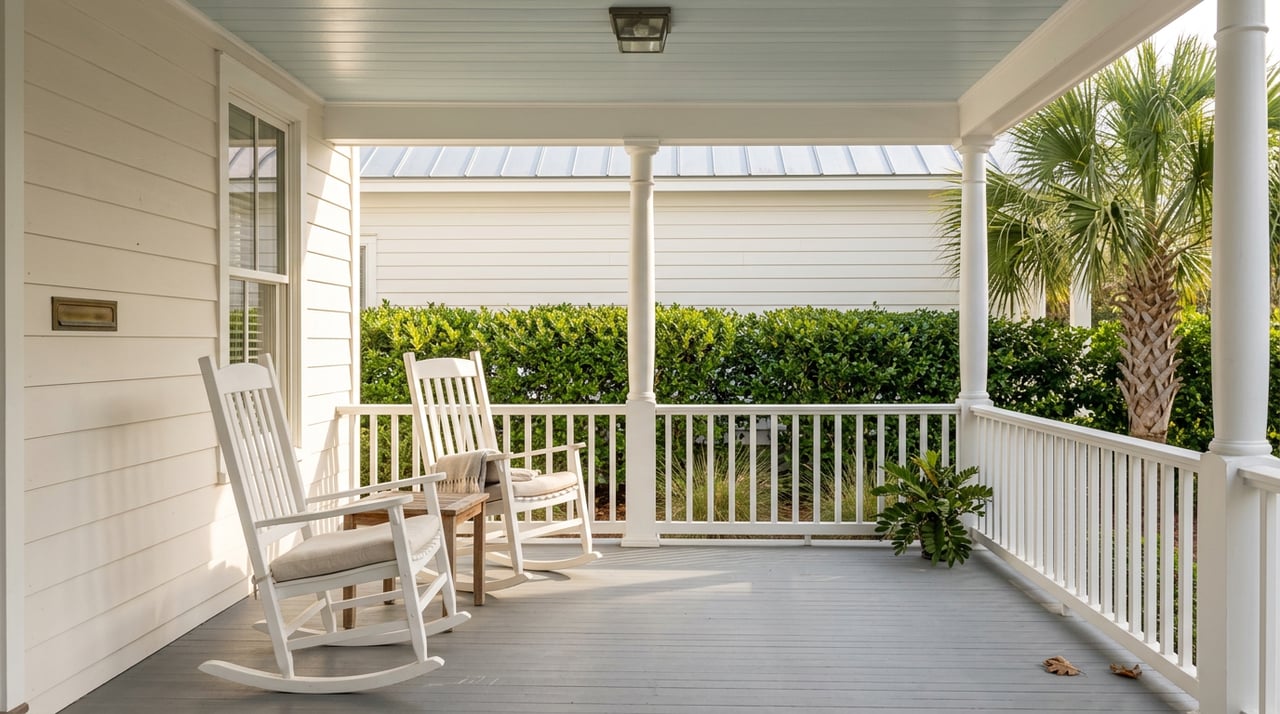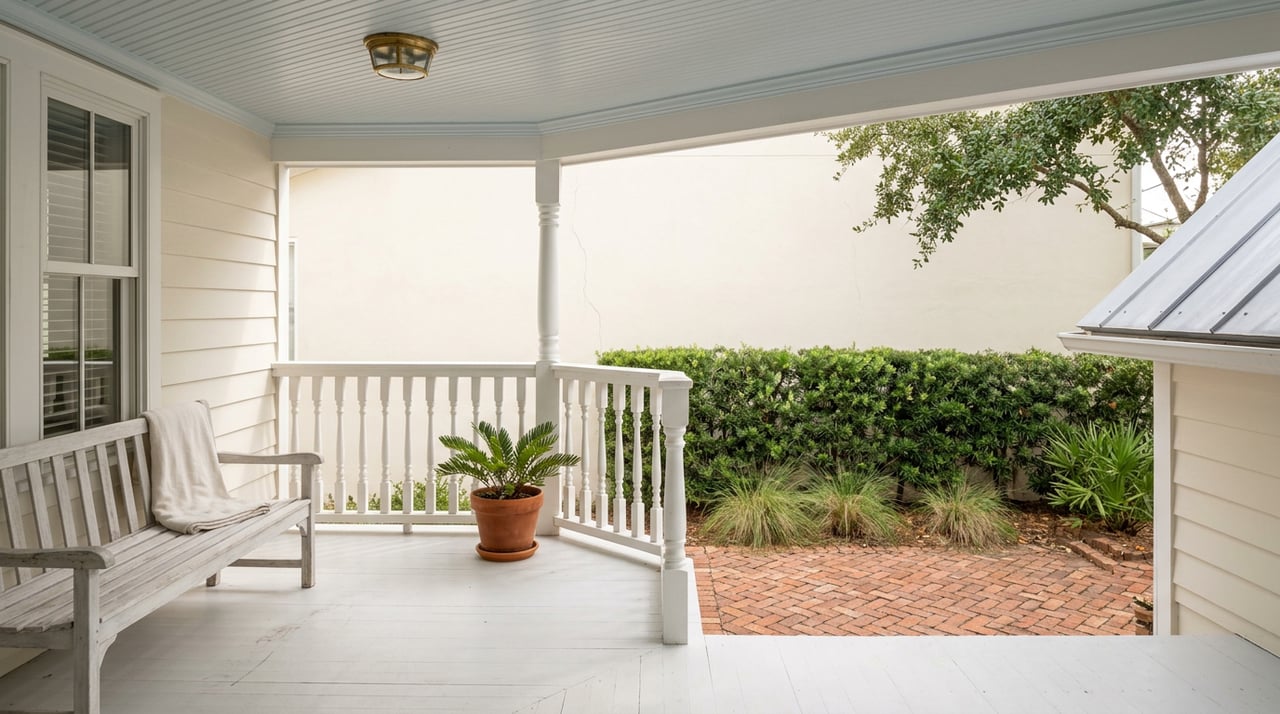
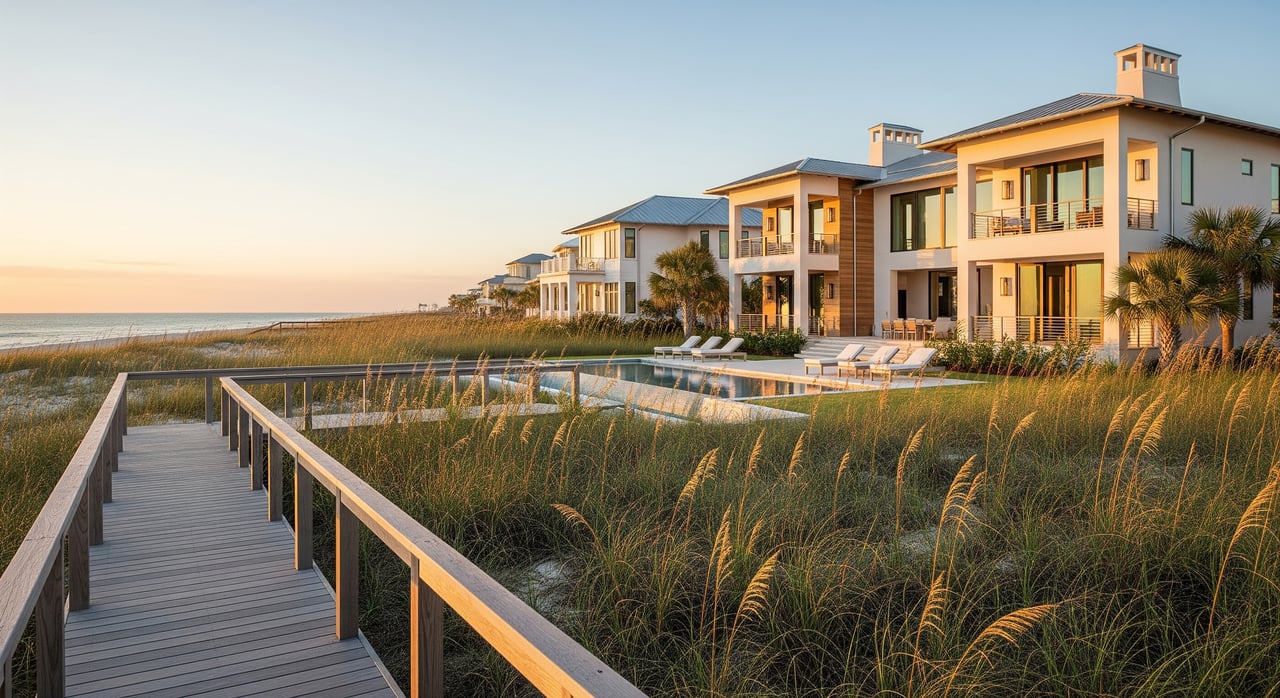
Is your ideal day a quiet Gulf sunrise, a bike ride to coffee, and a sunset paddle on a dune lake? If so, Santa Rosa Beach and the 30A corridor may feel like home the moment you arrive. You want beauty, privacy, and a community that fits your rhythm, not just a house by the sand. In this guide, you will learn how luxury enclaves here actually live, what types of homes you will find, and the practical steps that make a smart coastal purchase. Let’s dive in.
Why Santa Rosa Beach and 30A
Santa Rosa Beach sits on Florida’s Emerald Coast along the scenic 30A corridor, a 24-mile ribbon of beach towns and villages. Locals often use “30A” and “Santa Rosa Beach” interchangeably, but each enclave has its own pace and character. You will see Gulf-front beaches, protected dunes, rare coastal dune lakes, and the Choctawhatchee Bay all within a short drive.
Public lands shape daily life. Grayton Beach State Park and Topsail Hill Preserve State Park offer beaches, walking trails, and access to the dune lakes. These natural assets add options for quiet mornings, family outings, and simple outdoor routines that never feel crowded.
Getting here is straightforward by car, and two regional airports serve the area. Destin–Fort Walton Beach Airport and Northwest Florida Beaches International offer commercial service within a reasonable drive. Expect heavier traffic during peak tourist seasons and holiday weekends, then calmer shoulder months.
Luxury home types you will find
High-end buyers have four main choices across Santa Rosa Beach and the 30A corridor. Each offers a distinct lifestyle and set of tradeoffs.
Beachfront estates
These are the trophy properties along the Gulf. Expect panoramic views, private dune crossovers where permitted, and immediate beach access. They command the highest prices in the market and sit closest to coastal risks, so you will want to confirm construction standards, elevation, and insurance early.
Bayfront and inlet homes
If boating is central to your life, bayfront and inlet properties offer deeper water access and the chance for private docks on select parcels. The water is calmer than the Gulf, and daily boat outings are simpler. You also gain sunset views and a little extra privacy, with easier options for dockage than directly on the beachfront.
Planned and gated communities
Master-planned communities emphasize privacy, curb appeal, and amenities. You may find gated access, beach clubs, pools, fitness centers, tennis or pickleball, and curated streetscapes. Many have design review boards that protect long-term aesthetics and value. Fees vary and should be part of your carrying-cost view from day one.
High-end inland estates
A short drive off the beach, you can find custom homes on larger lots with wooded buffers and modern finishes. These offer privacy and lower immediate storm exposure, often at more accessible prices than Gulf-front. If you want space, a newer build, and less salt-air maintenance, this category is worth a close look.
Signature community vibes on 30A
The corridor is known for distinct town forms. Your fit depends on how you like to live, entertain, and move through your day.
Village-style, curated places
Walkable village centers like the ones commonly associated with Seaside and WaterColor are designed around strict architectural guidelines, sidewalks, and shared public spaces. You can stroll to dining, shop local boutiques, and join seasonal events without driving far. Expect a lively pedestrian feel, especially in peak season.
Resort-style, gated enclaves
If privacy and on-site services matter most, gated communities deliver controlled access, amenity packages, and private beach access or clubs. These neighborhoods are designed for low-friction living, with rules and services that keep the streetscape uniform and the experience consistent.
Historic beach towns
Areas like Grayton and Seagrove retain an eclectic, laid-back character that feels different from more curated developments. The vibe is casual and neighborly, with pedestrian orientation and legacy homes alongside newer builds.
Daily life and amenities
Living here is about simple routines tied to the water, the light, and the seasons.
Beach access and rhythm
Morning beach walks, casual afternoons by the Gulf, and quieter shoulder seasons are the norm. Public access to the beach is protected by state and local rules, and you will find established access points with dune crossovers. In some communities, private beach clubs add a layer of comfort and service.
Boating and water time
On the bay and sound, inshore boating is calm and family-friendly. Offshore options exist through nearby marinas, with charters and larger-vessel services clustered in regional hubs. If a private dock is a must, target bayfront parcels or neighborhoods with shared marina facilities and confirm rights and water depth.
Dining, retail, and culture
You will find casual seafood spots, elevated coastal cuisine, and curated markets spread across the village centers. Fine dining is more selective than in large cities, but it exists within resorts and nearby towns. Boutique retail, art galleries, farmers’ markets, and community concerts create a seasonal calendar that keeps the area lively without losing its relaxed feel.
Health care and services
Regional hospitals and specialty practices serve Walton County and neighboring areas. For certain subspecialties, residents may travel to larger medical centers in places like Pensacola or Panama City. Many luxury homeowners use local property management, landscaping, and home-care services, sometimes coordinated through community vendor lists.
Education and youth programs
The area is served by the Walton County School District. Families also consider private schools and regional boarding or prep options. Seasonal camps and youth programs in watersports, sailing, golf, and tennis are common across the corridor.
What to know before you buy
A great coastal purchase pairs the right property with a clear plan for ownership, maintenance, and risk.
HOA, design review, and fees
Many luxury communities use architectural review boards and detailed design codes. Expect guidance on color palettes, materials, rooflines, and landscaping. HOA rules can range from light oversight to full-service amenity management and security, with fees that materially impact carrying costs. Ask for governing documents, current fee schedules, and any special assessments.
Risk, insurance, and resilience
Coastal homes face hurricane, wind, and flood exposure. Get ahead of the details:
- Verify FEMA flood maps and your property’s elevation and flood zone classification.
- Request quotes for homeowners, windstorm, and flood insurance early in your process.
- Review the building’s mitigation features, such as impact-rated windows, reinforced roofs, and elevation.
- Discuss NFIP and private flood options with your insurance advisor, since availability and premiums vary by location and construction.
Building and permitting
Florida’s coastal codes require wind-resistant standards, and Walton County adds permitting steps. If you plan to remodel or build, allow for design review timelines, especially in highly curated developments with strict architectural standards.
Taxes and carrying costs
Property taxes vary by parcel and assessed value. Your total cost of ownership should include HOA dues, insurance, utilities, and an allowance for coastal maintenance. Salt air and humidity accelerate wear on exterior finishes, metal components, HVAC, and decks, so plan annual and long-term maintenance budgets.
Short-term rentals and income potential
Short-term rentals are active across 30A and can offset costs, but rules vary by HOA and local code. Some luxury enclaves restrict or prohibit rentals to protect residential character. If rental income is part of your plan, confirm neighborhood rules, county regulations, and realistic seasonal occupancy and revenue before you buy.
Privacy and security
Privacy ranges from gated access and large buffer lots to more public, pedestrian-forward village centers. Consider your tolerance for seasonal foot traffic, event calendars, and nearby public access points. Many communities provide security patrols, and some owners add private security for large estates.
Choose the right enclave for your goals
Start with your day-to-day life, then match it to the property type and neighborhood model that fits.
- If you want quiet mornings and a crowd-free shoulder season, consider enclaves with private beach access and stronger residential character.
- If boating drives your weekends, focus on bayfront parcels or communities with marina facilities and straightforward dockage.
- If walkability and social energy matter, target village-style developments with marketplaces, dining, and event programming.
- If you value new construction and control over finishes, look at planned communities with active building programs or high-end inland estates.
- If rental flexibility is important, confirm HOA and county rules early, then evaluate seasonal patterns and realistic revenue.
- If you value natural features, explore neighborhoods near the coastal dune lakes and state parks for paddling and trails.
How we help you buy or sell on 30A
You deserve more than a quick tour and a comp sheet. In a market with diverse neighborhood models, design standards, and complex coastal dynamics, you need an advisor who understands both lifestyle fit and the technical details behind coastal ownership. You also benefit from broad exposure when selling or seeking scarce inventory off market.
As a Christie’s International Real Estate affiliate, our team pairs local market command with global distribution. We advise on property selection, design review strategy, insurance and carrying-cost planning, and rental or non-rental positioning. For sellers and developers, we deliver premium presentation, targeted outreach to qualified buyers, and advisory-driven go-to-market planning.
If you are exploring Santa Rosa Beach and 30A, we would be honored to guide your next step. Request a private consultation with The Blankenship Watkins Advisory Group.
FAQs
How does Santa Rosa Beach compare to Destin for luxury buyers?
- Santa Rosa Beach and 30A emphasize village-scale living, curated architectural character, and a more residential, low-rise beach experience, while Destin is more marina and harbor oriented with a busier commercial feel.
Do luxury homes on 30A have private beach access?
- Many luxury homes offer private access or dune crossovers, and some communities provide beach clubs, while public access rules still apply to the beach itself.
What insurance and resilience steps should a 30A buyer take?
- Check FEMA flood maps, obtain early quotes for homeowners, windstorm, and flood coverage, and verify mitigation features like impact windows, roof reinforcement, and elevation.
Are there good boating options from Santa Rosa Beach?
- Yes, inshore bay and sound boating is common for daily use, and larger offshore options are available through regional marinas in nearby towns; confirm dockage rights before purchase.
How seasonal is life in Santa Rosa Beach and along 30A?
- Summer brings peak visitor volume from Memorial Day to Labor Day, while spring and fall are busy but calmer, and many luxury owners prefer the quieter off-season months.
Can I rent my Santa Rosa Beach home short-term?
- Sometimes, but it depends on HOA and local regulations; review governing documents and county rules before assuming short-term rental income.